This browser is too old to run Hair Explained

Update your device's software, or open hairexplained.io in an up-to-date Safari or Chrome. Nothing on this page will work until then.

  1. Home
  2. Blog
  3. Where Frizz Comes From
Where Frizz Comes From

1 min read

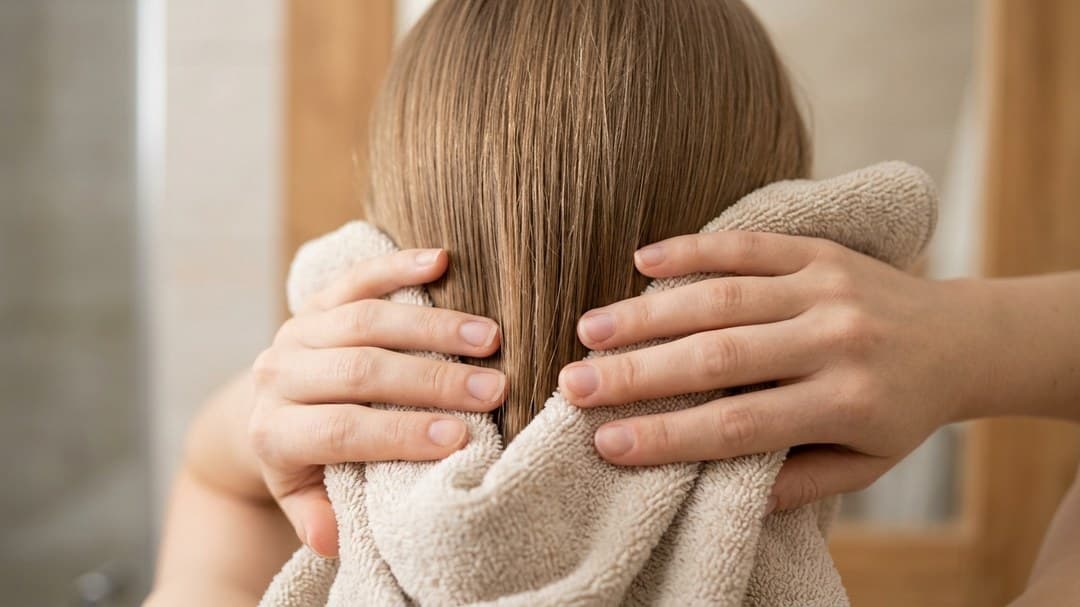
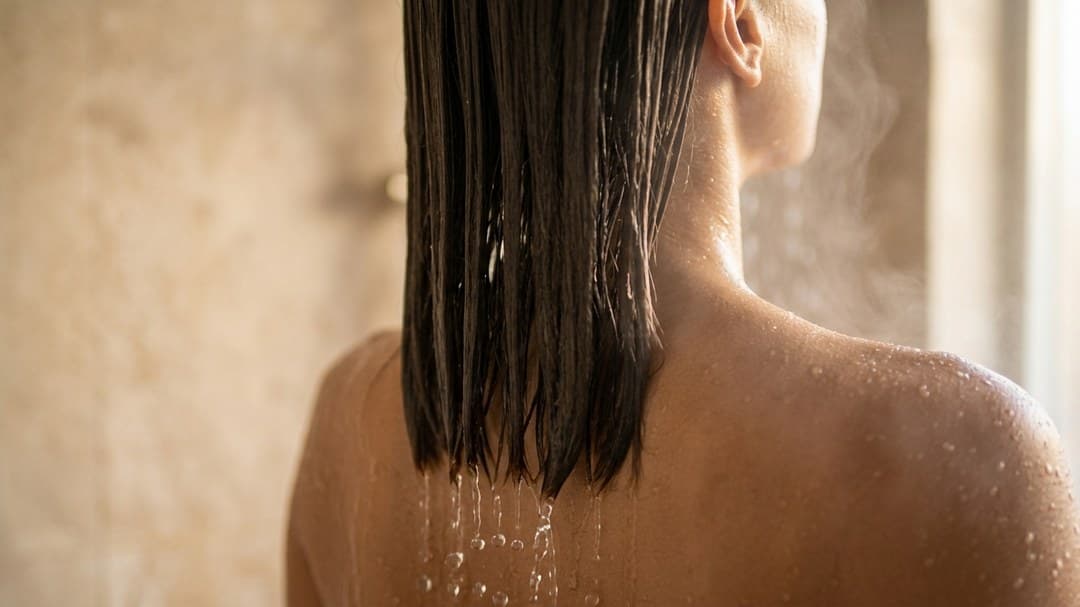
Almost everyone's hair looks better wet. Water breaks the hydrogen bonds that hold hair in its shape, and a good part of its stiffness rests on those. It turns pliable and heavy, sections stretch out and lie together. That is why so many people like their hair best at the moment it is still dripping.

Then the water evaporates, the bonds re-form — and they fix the hair in exactly the position it happened to be in. It is rather like musical chairs: a bond settles wherever it can reach, not where it would look best. If a section was lying any old way at that moment, that is how it sets. Frizz amounts to a few thousand strands that dried out of alignment, rather than a property your hair has.

Which means all of it is decided before the hair is dry. The job is to have the hair dry lying in one direction, rather than to weigh frizz down afterwards.

In practice, you draw product through small sections, one after another, with your fingers or a comb, rather than rubbing it over your whole head at once. It takes longer, and it is precisely what lines the strands up against each other. A fixative in a styling product holds that arrangement until the bonds have set, which is a different job from adding stiffness. Oil or a heavier cream on top acts as a screen against humidity in the air, which would otherwise take the arrangement apart again.

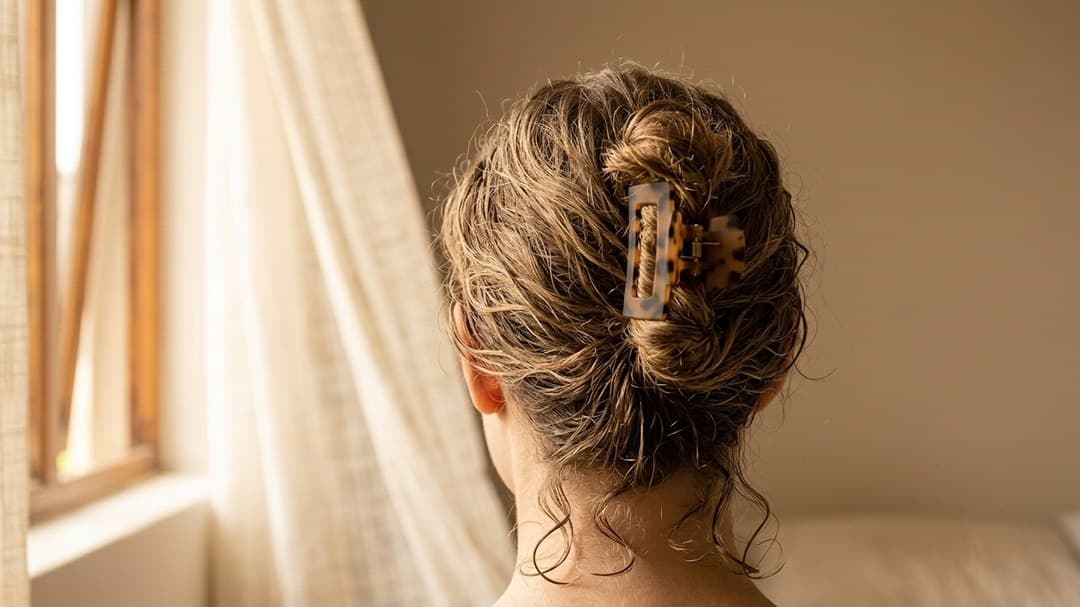
Hair always pulls back towards its own shape. The springier it is, the more it draws upwards, and length is visually lost. You can only stretch it with weight or tension — gathering it up gently while it dries, or adding a denser product. But there is a limit to that, as there is with a hair tie that stops coming back after a hundred stretches.

There won't be a perfect result every time; too much of it depends on the weather. But if you are going to change one thing, change how you distribute the product, not the product.
Recommended reading

  • 2 min read

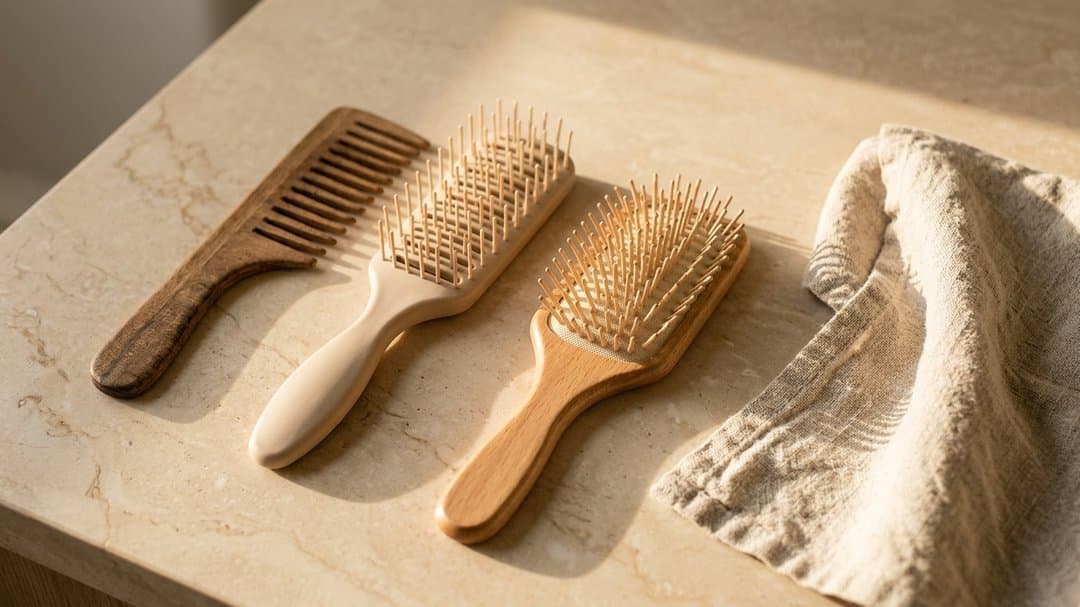
    How to Choose a Hairbrush

    Three rules rule out most bad brushes, and the rest is knowing what each type is for. Including the brush itself, which needs washing once a week.

  • 1 min read

    What Water Actually Does

    Hair that feels soft holds less water than hair that feels dry. Why the surface reads as roughness, what hydrating products are really doing, and why bone-dry is its own problem.

  • 2 min read

    How to Brush Your Hair

    Brushing has three modes: dry, before a wash, and in the shower. They do different jobs, and in one of them the rules reverse.

  • 2 min read

    How to Dry Your Hair

    Wet hair is weaker and rougher, so how you dry matters more than what you dry with. The distances and temperatures that have been measured, and where the real threshold sits.

Ready to Transform Your Hair Routine?

Take a short quiz and get a personalized hair care based on science, not guesswork.

Start Now
Community member avatarCommunity member avatarCommunity member avatar

10,000+

people already signed up

App preview on smartphone

Hair, Explained uses cookies for analytics and advertising

Ad and analytics cookies are on by default. Turn them off in Cookie Preferences. See our Cookie Policy.

Advertising cookies share your activity with our ad partners to measure our campaigns and show you more relevant ads. Advertising and analytics cookies are both on by default, and you can switch either off anytime in Cookie Preferences. See our Cookie Policy.

  • How It Works
  • Features
  • About Us
Sign In
Start Now
App StoreGoogle Play
  • How It Works
  • Features
  • About Us
Sign InStart Now

Personalized hair care based on science

© 2026 Hair Explained INC. All rights reserved.

200 Winchester Circle, G24
Los Gatos, California 95032, United States
+1 408-786-9745 · support@hairexplained.io

Explore

  • How It Works
  • Features
  • About Us

Help

  • Contact Us
  • Help Center

Legal

  • Privacy Policy
  • Terms of Service
  • Cookie Policy
  • Instagram

App StoreGoogle Play

Hair Explained provides general, cosmetic hair-care guidance only. It does not provide medical advice, diagnosis or treatment and is not a substitute for consultation with a doctor or other healthcare professional. Always seek professional medical advice if you have concerns about your scalp, skin, hair loss, or other health issues.

Advertising and analytics cookies and similar technologies are on by default, and the advertising ones share your activity with our ad partners. You can switch either off at any time in . Learn more in our Cookie Policy.